‘Live Under Lisbon’: Diary
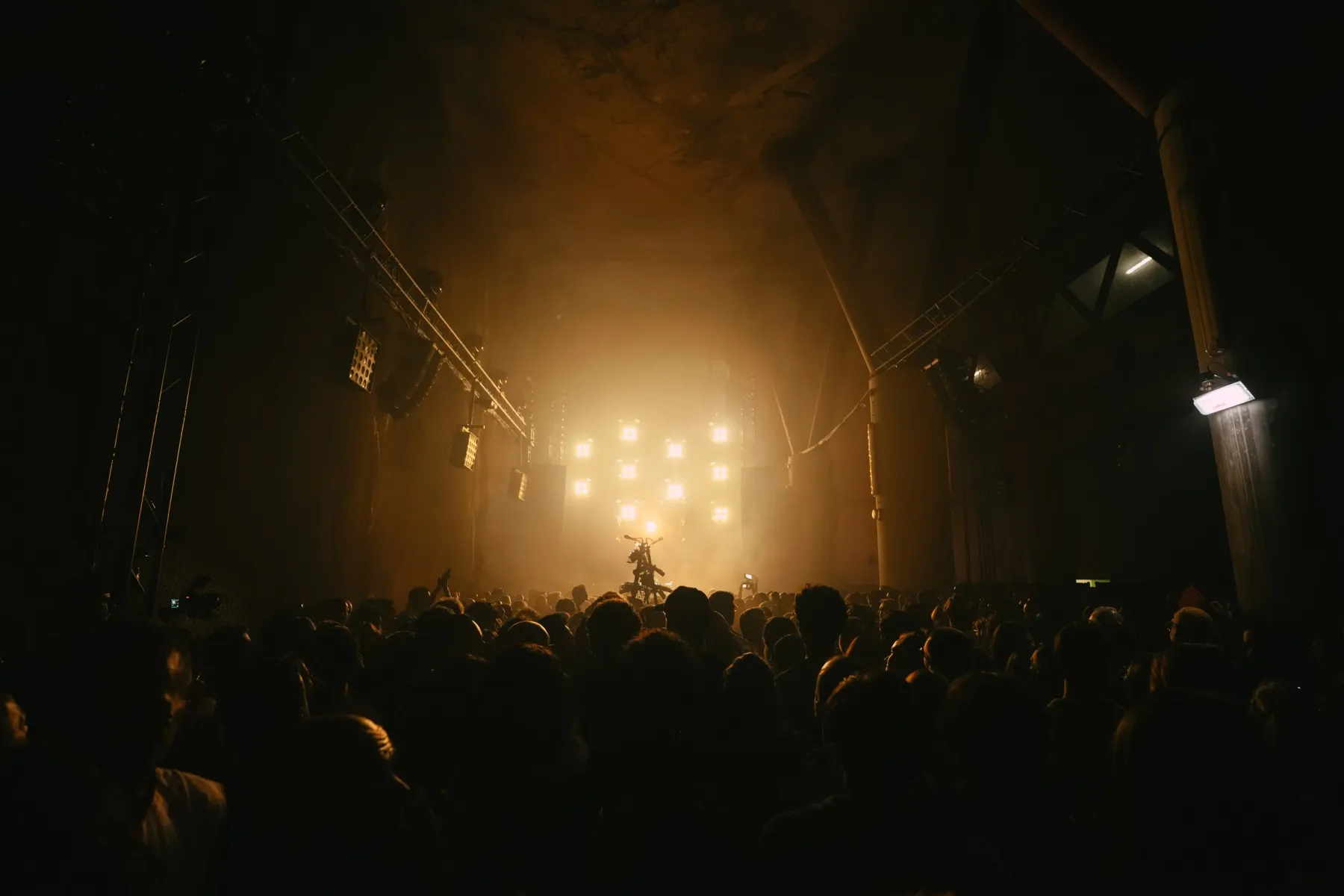
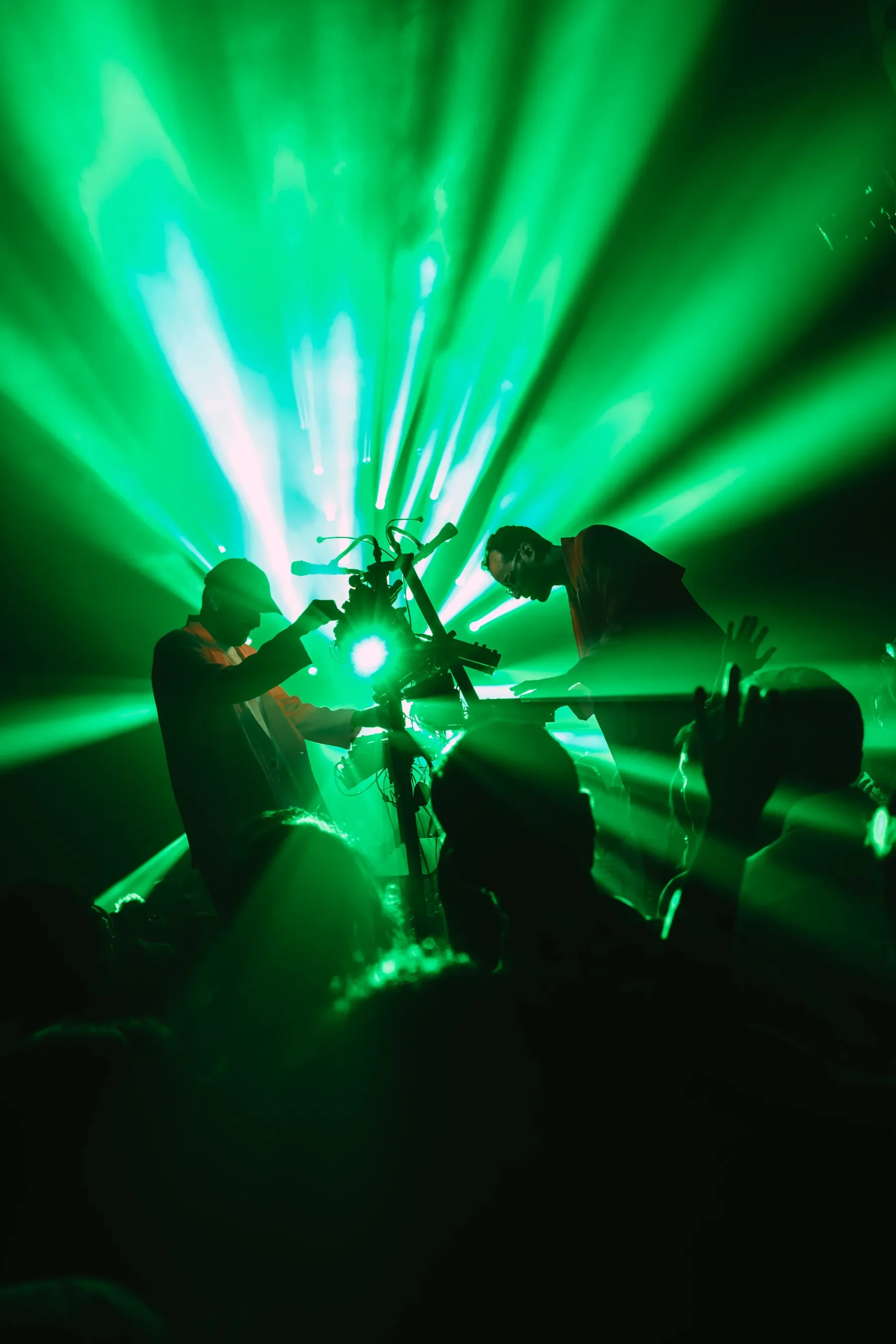
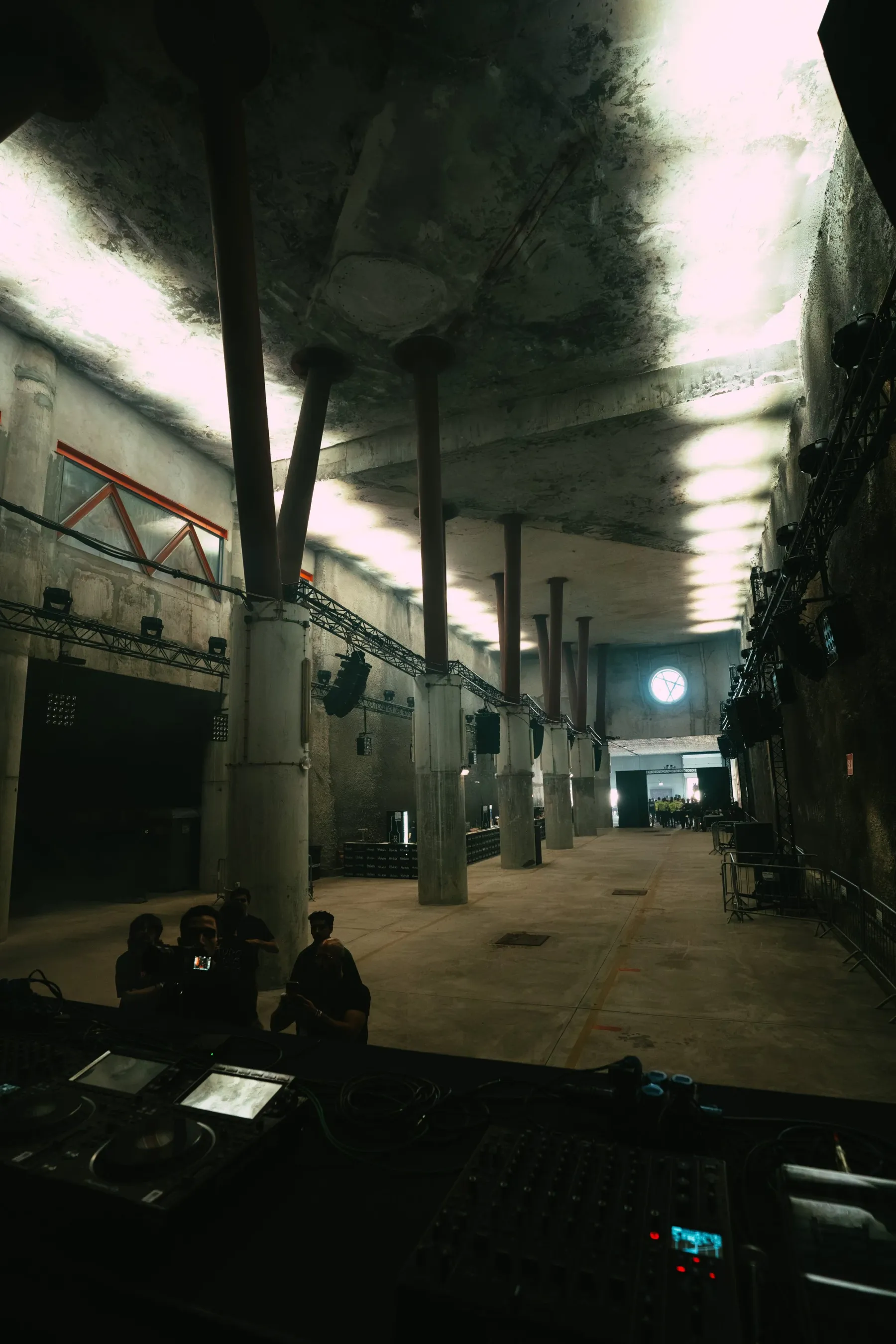
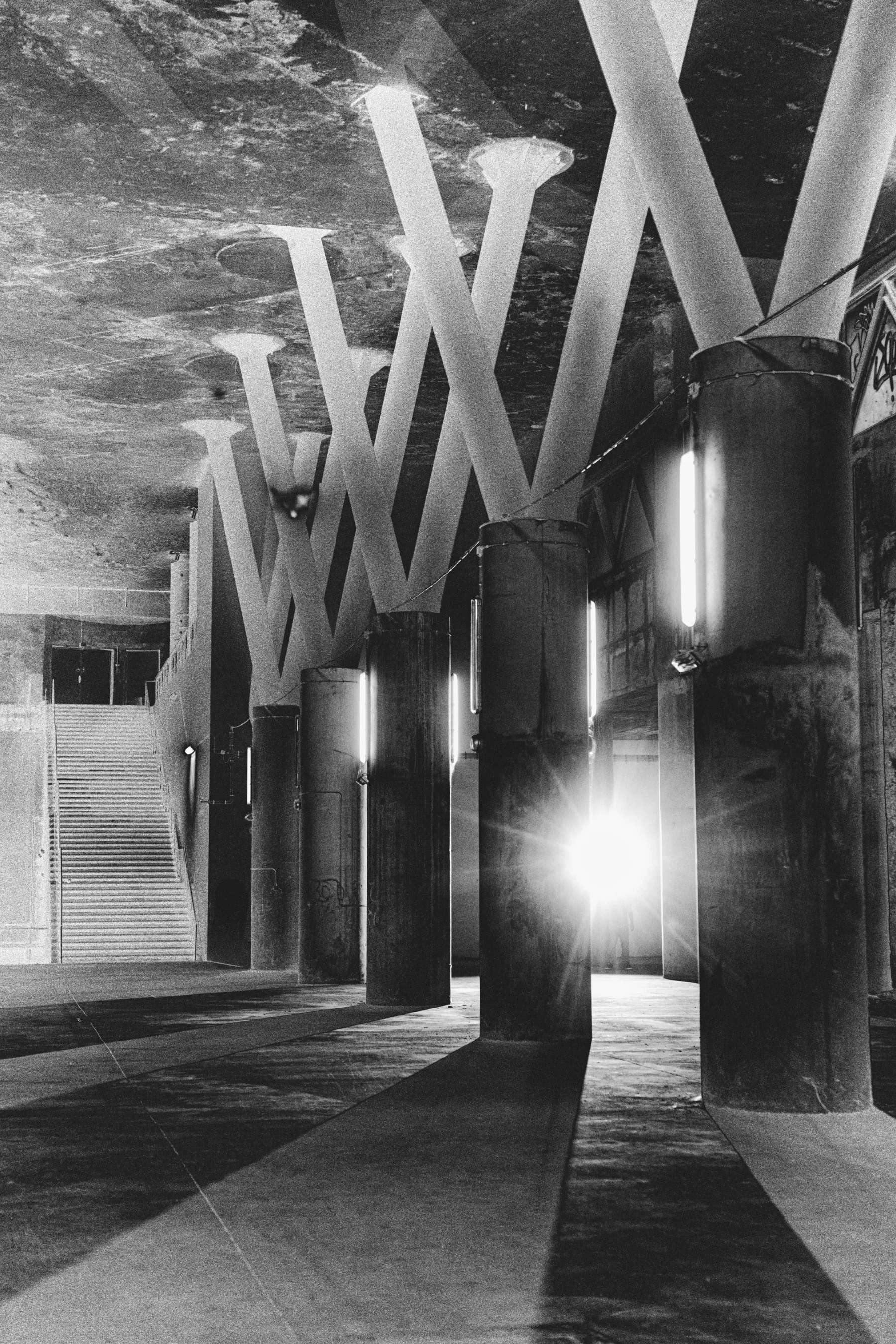
A door that had stayed closed for almost 30 years. Beneath Olaias station, a room never opened to the public: concrete pillars branching like trees, trains passing behind the glass. Live Under Lisbon, on 10 October 2026, was our most ambitious show yet: more than eight hours of music for 2,000 people, our immersive 360° live show, and light, sound and scent made for the room.
mxgpu live under lisbon setlist
The venue
In March 2025 we launched MXGPU with two shows in the Oval Gallery at MAAT, Lisbon. It was the right room for a 360° show, and Lisbon answered: both shows sold out. After Live Over Lisbon and Live Over Porto, our homecoming had to happen somewhere with the same weight. Somewhere big enough for our immersive 360° live show and a bigger production. So we started looking.
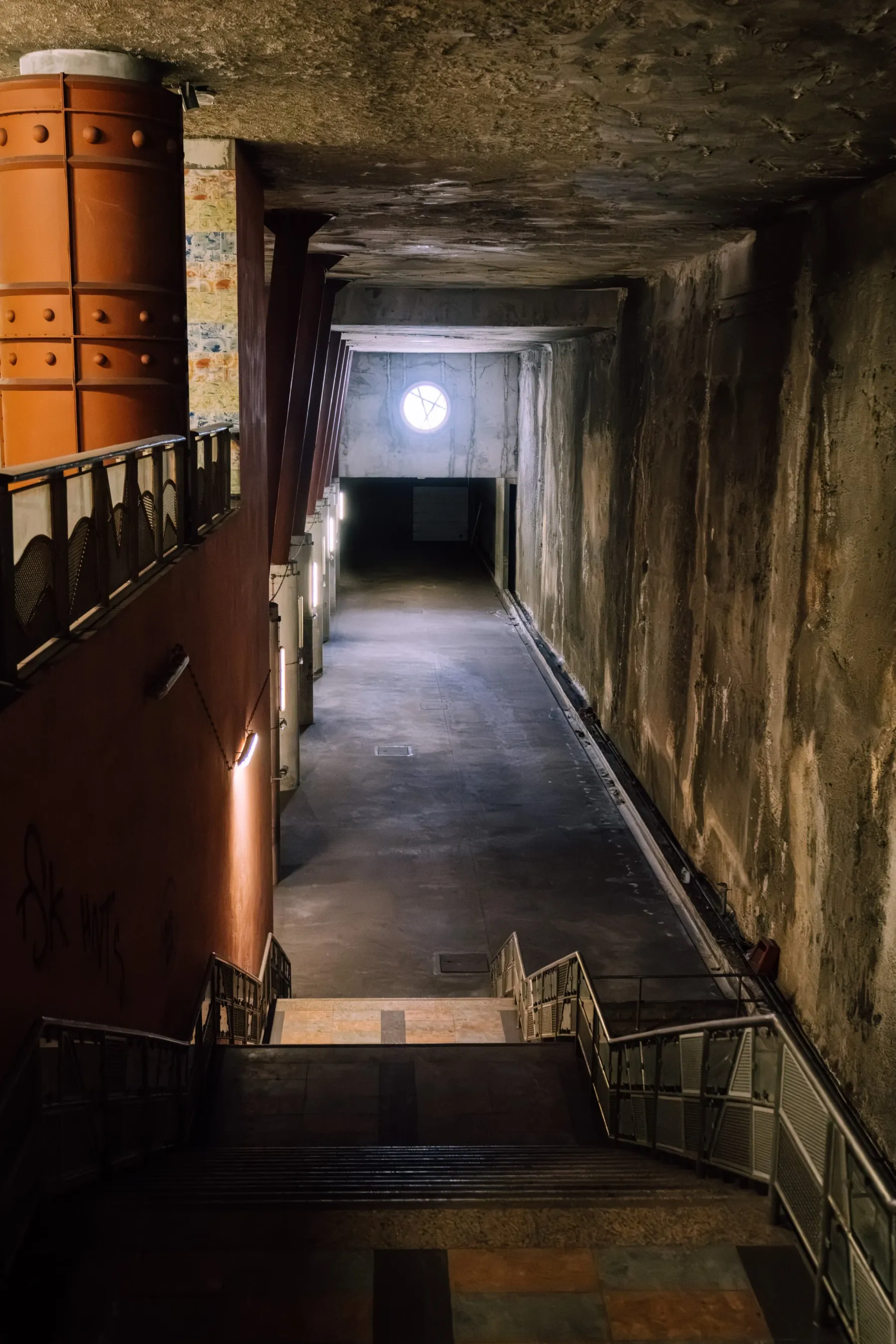
We knew Metro de Lisboa had dozens of spaces where we’d seen live music and events, but we wanted something new. Something no one had seen. After a meeting with Metro de Lisboa’s president, Cristina Vaz Tomé, and her team, we set our sights on a space beneath Olaias station, designed by Tomás Taveira and opened in 1998, just in time for Expo 98.
On our first visit in February, we found a brutalist warehouse that could hold nearly 2,000 people. Windows onto the passing trains, its own access, huge stairways, and never opened to the public. We had found our place.
From that first visit, the plan was:
An MXGPU live show in our immersive 360° format
A club night we curated, with more than eight hours of music
A set design built around the space
So we got to work.
The concept
We met with Pavel Zmunchila, who designed the set and visual direction for Live Over Porto, our floating show at Primavera Sound Porto.
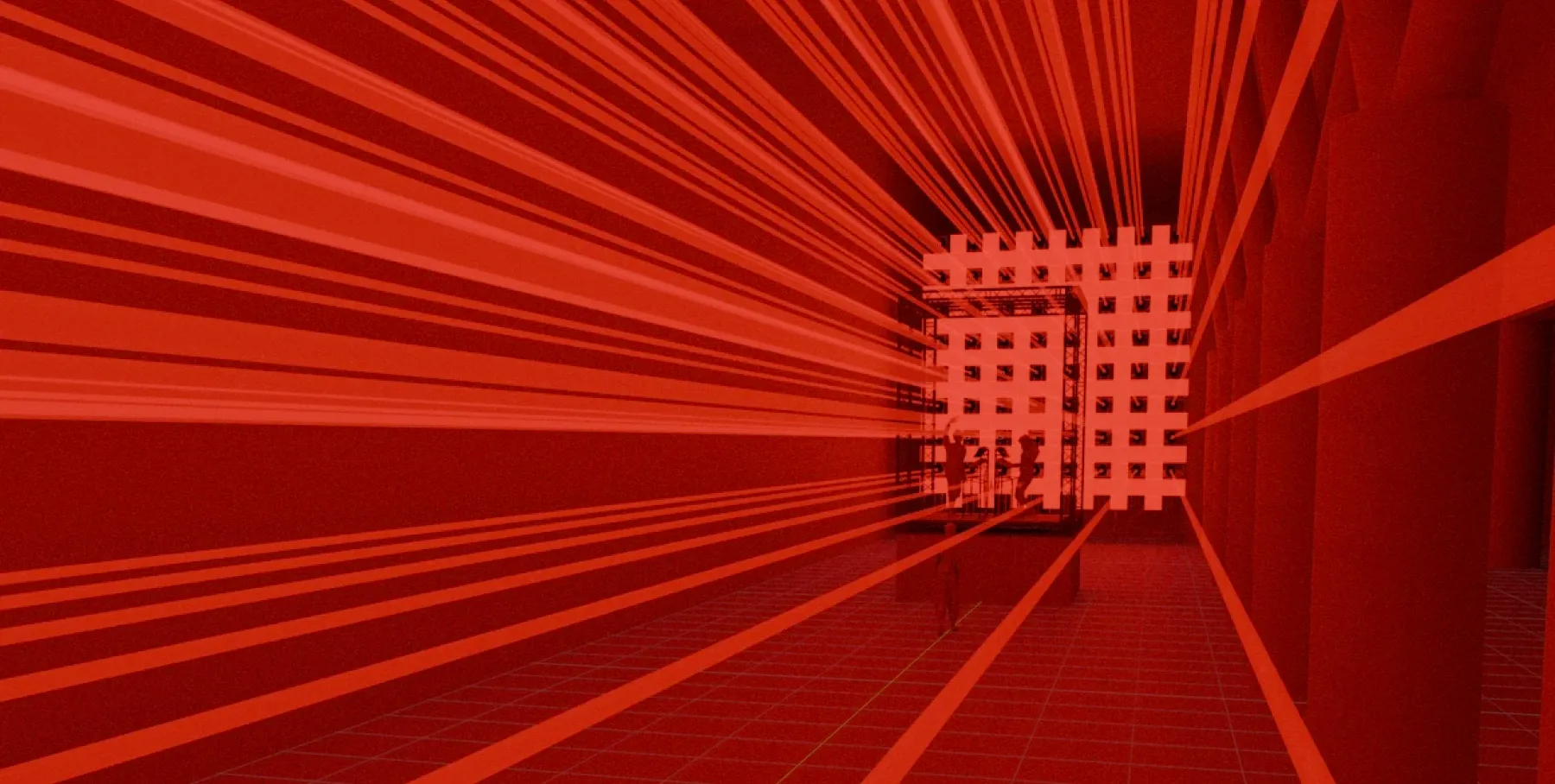
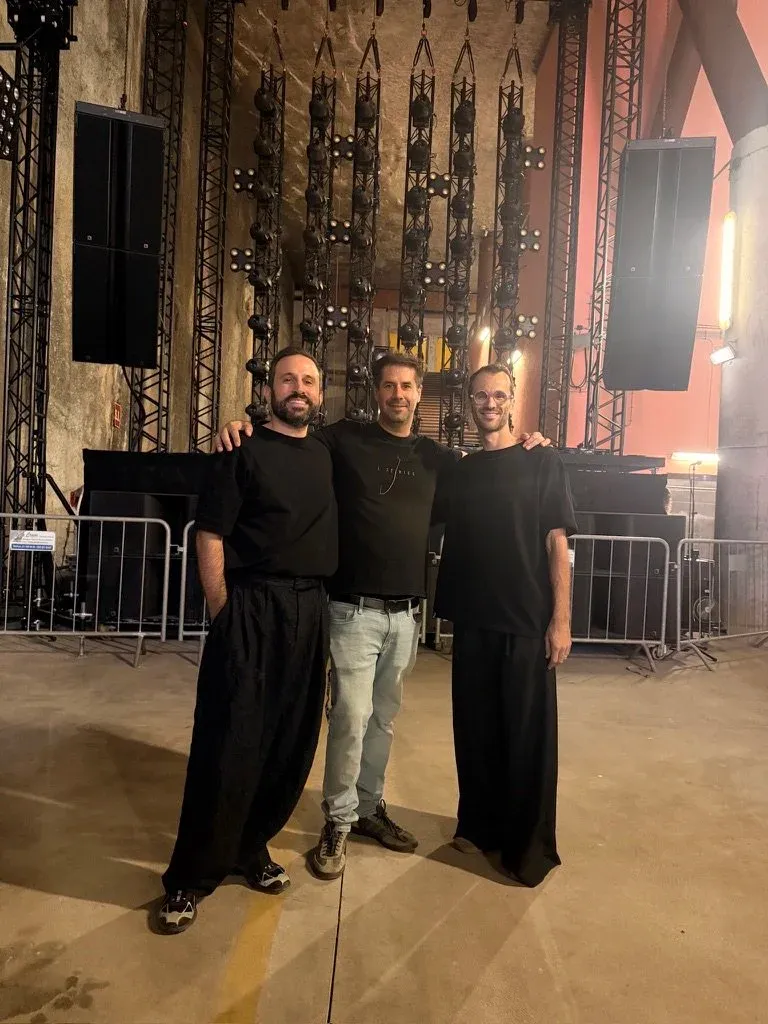
The room is tall, long and narrow, so the design follows its proportions: an imaginary underground world, crossed end to end by a matrix of light beams.
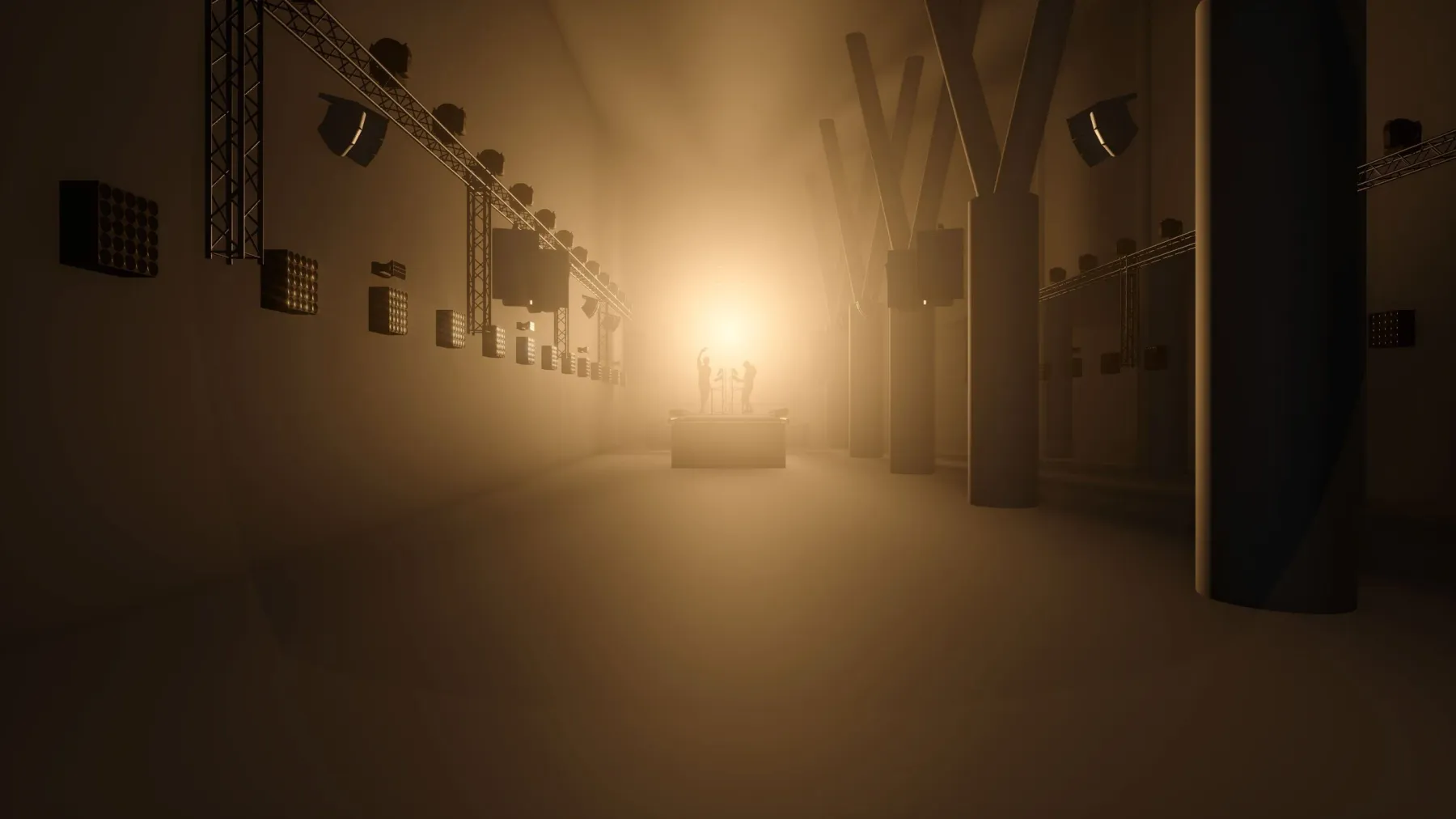
A window above the entrance already lit the room like a cathedral. We amplified it with one strong, cinematic source over the stairway.
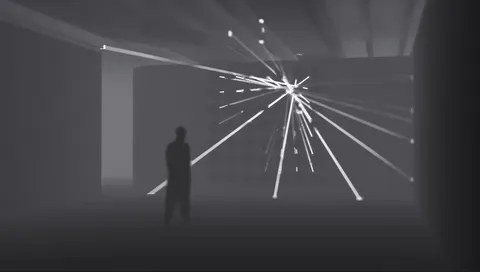
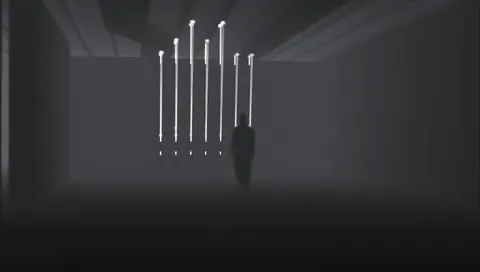
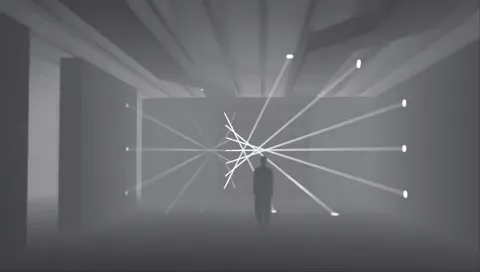
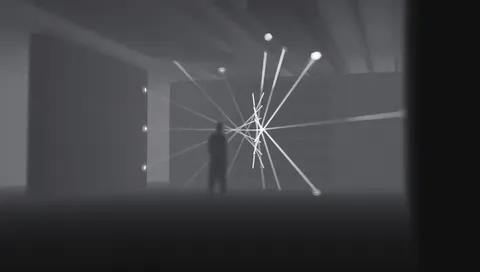
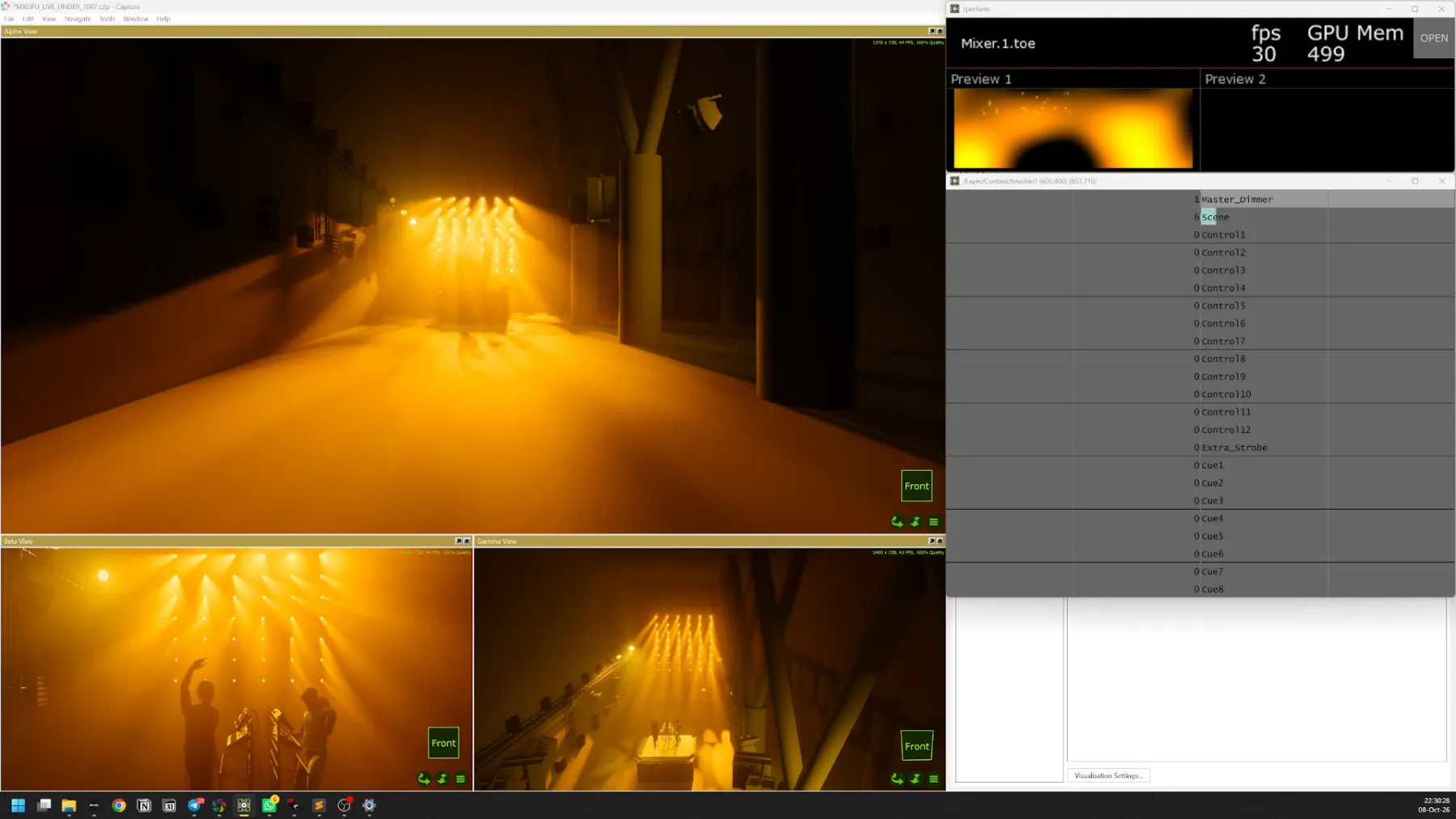
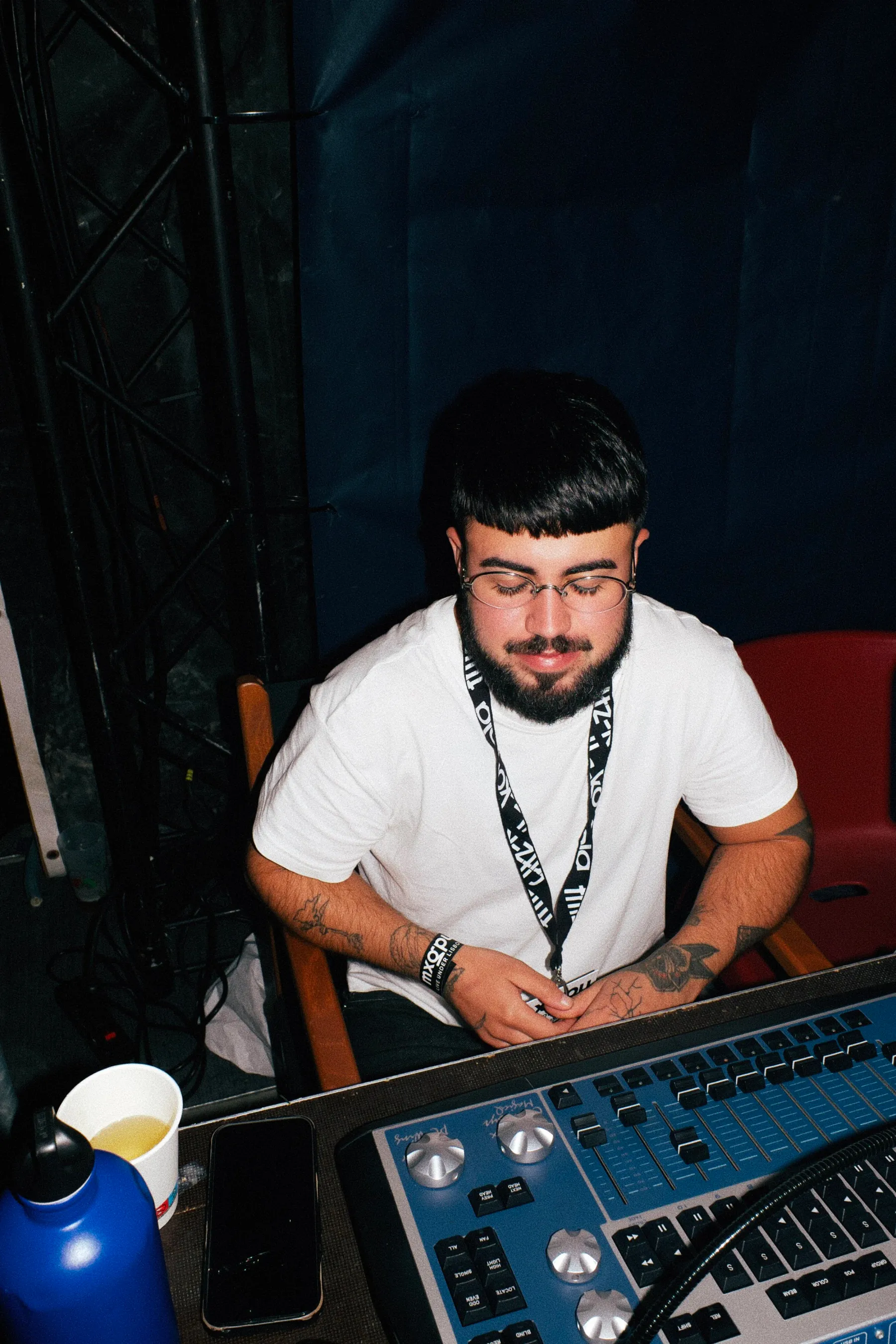
Lights were operated by João Quintela on our ChamSys system alongside Eugene Ryazantsev on TouchDesigner to pixel-map the beam matrix and other fixtures. As at every show, network MIDI from our main Ableton laptop drove both lights and video.
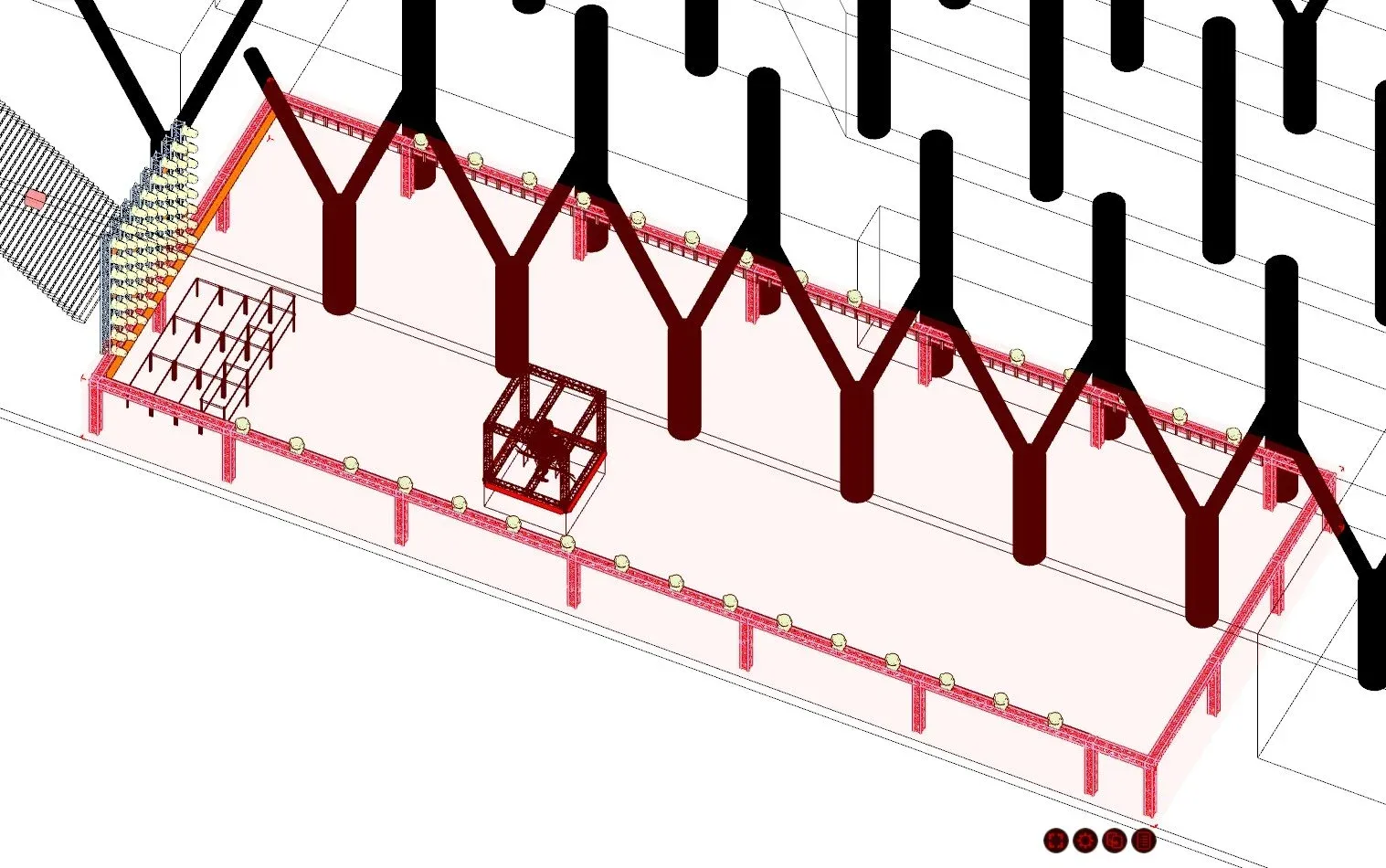
The Audiomatrix truss carried the PA and 32 Martin MAC Aura Raven XIP fixtures for pixel mapping across the length of the room. Initially we imagined a “cage”-like box truss for our performance, like the one at Primavera Sound Porto, but dropped it so nothing blocked the beams coming from the back of the room.
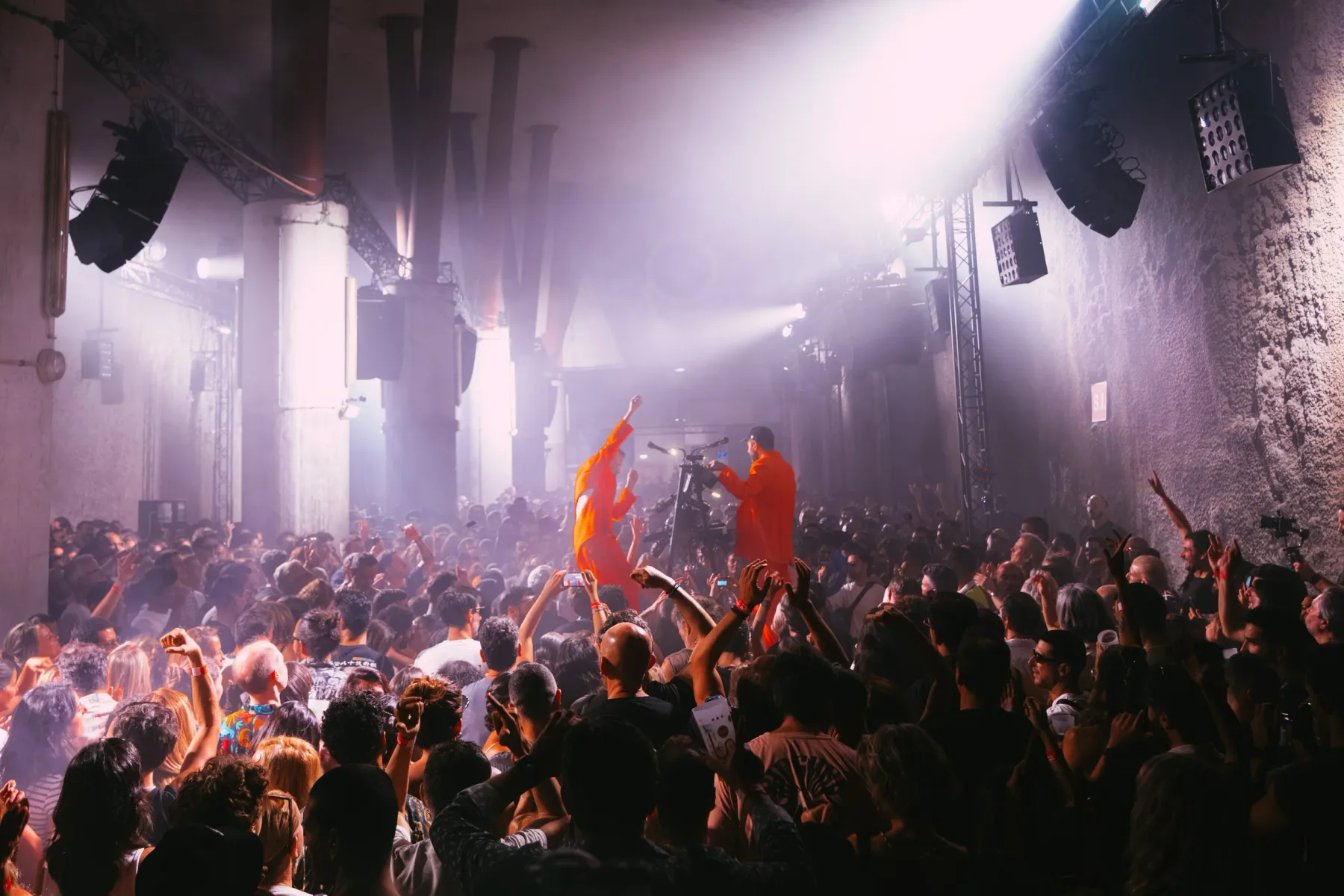
Immersive sound
For immersive sound we chose L-Acoustics and its L-ISA system. Rafael Pereira designed two virtual rooms, each with six point sources and subwoofers, a hybrid system that we could use for immersive sound during our live show and in a typical stereo setup for the other performers. This solution created two nearly identical virtual spaces, each with an L2 system at the front, Kiva on the sides and Kara at the back. Audiomatrix supplied these units.
Audio was sent to FOH via MADI. We upgraded from our RME UCX II to the UFX III to support it. The switch was smooth, with one catch: sessions can’t be migrated between the two, so we built a new snapshot from scratch.
Audio signal path:
Ableton → RME → MADI → DiGiCo desk → System Controller
System latency stayed within 20–30 ms, including the distance to the PA.
We split our Ableton outputs into 11 discrete stereo outputs:
01-02: VOX GUI
03-04: VOX LUIS
05-06: BASS
07-08: DRUM
09-10: LEAD
11-12: TELEPATHY
13-14: MINIFREAK
15-16: STEREO BUS
17-18: FX RETURN REV
19-20: FX RETURN DLY
21-22: INTRO LOOP
Each pair fed its own L-ISA source. We placed the sources in the soundscape and built a list of snapshots that set their position, effects and other parameters song by song.
In the weeks prior to the event, we recreated the system in our studio with nearfield monitors and a ring of small speakers for a virtual soundcheck, and the results translated to the venue almost one to one.
Rafael ran the L-ISA session from his laptop on our control network, and our main Ableton session recalled his snapshots with program changes.
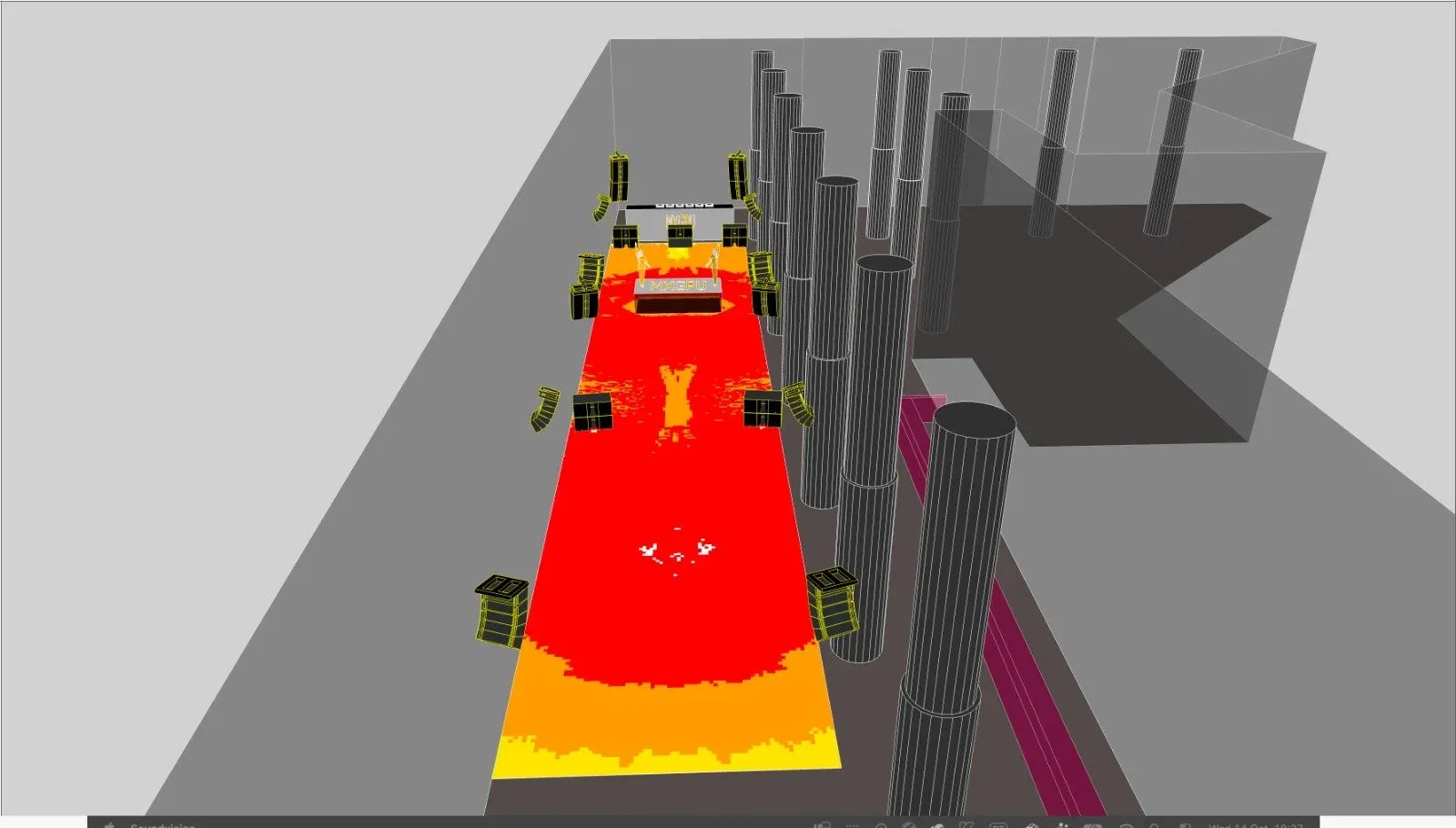
Original design for two virtual rooms
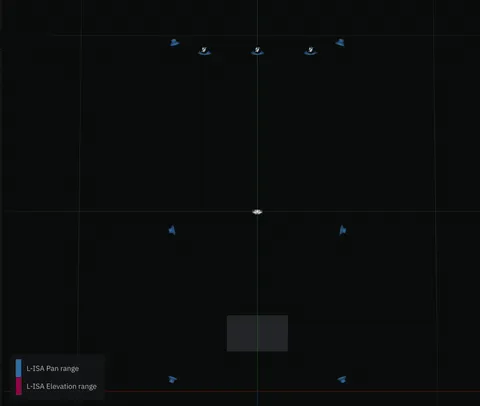
6-point room layout
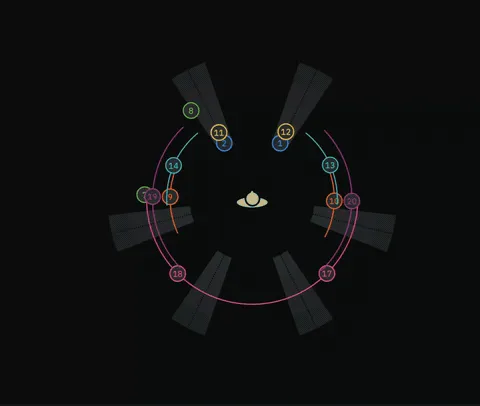
L-ISA morphing between snapshots
Installations
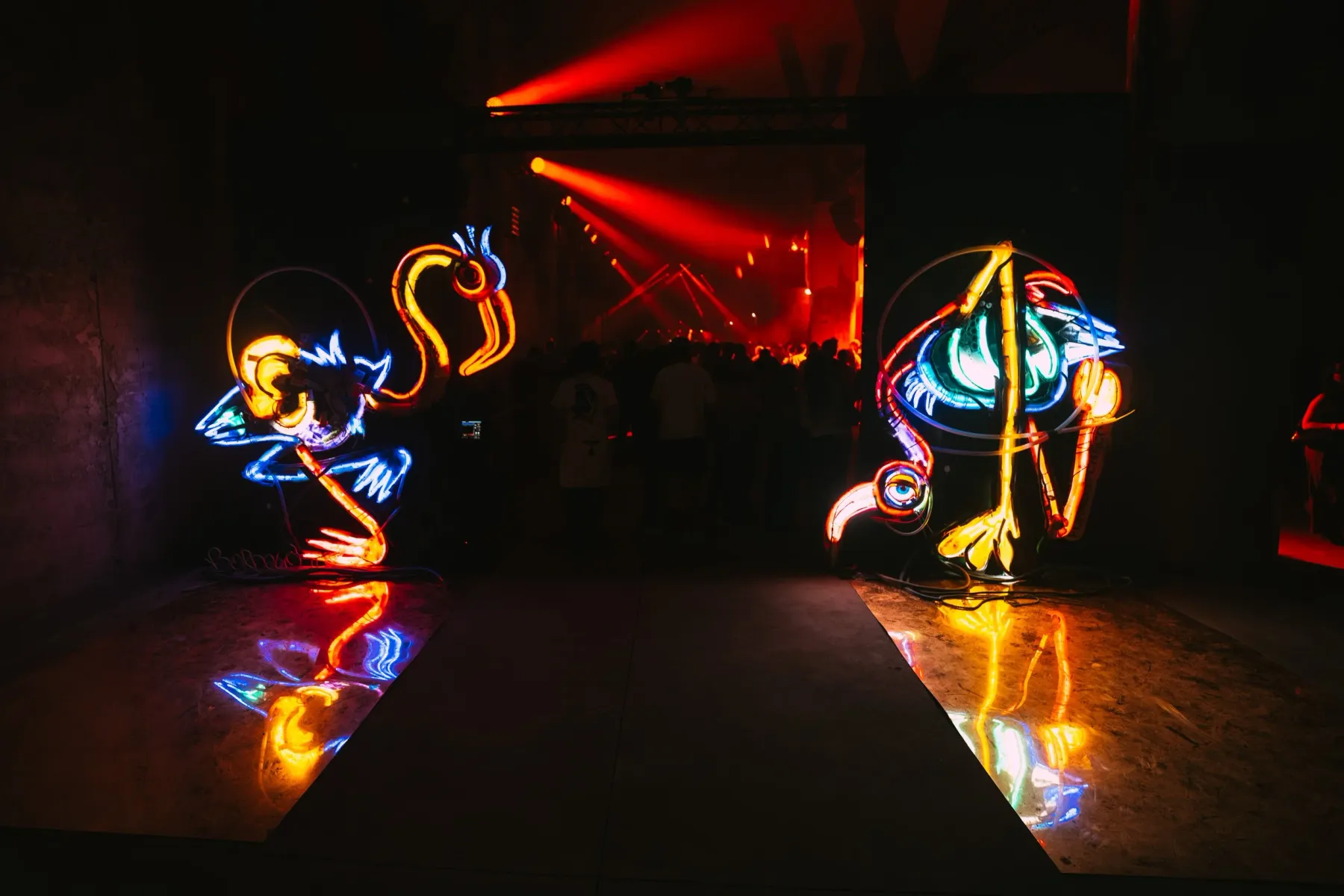
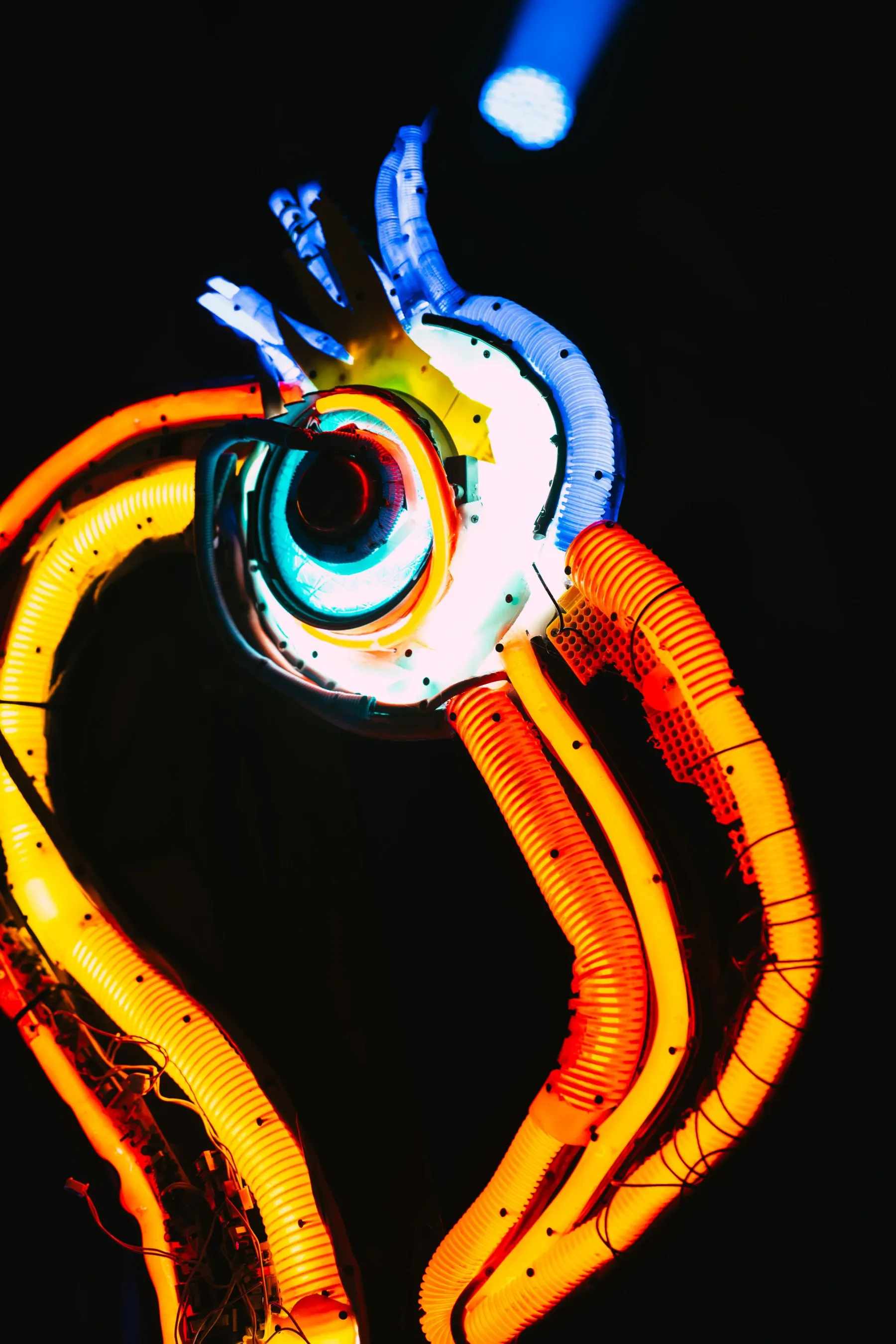
At the entrance to the dancefloor, Bordalo II built a bespoke light installation: a pair of flamingos framing the way in, a portal into the room.
The second installation was one you breathed in. i-sensis supplied the scent diffusers for Joana Nobre’s olfactory installation, which greeted everyone as they arrived.
The scent, Take Me Home, was first unveiled on the MXGPU candle and at MAAT in 2025. The same scent that welcomed people to our first shows welcomed them underground.
Credits
Line-up: MXGPU (live, DJ set and hybrid set), Isadora (live), Sainte Vie (live), Madd Rod (DJ set), Adriana Ruas (DJ set), DJ Vibe (DJ set)
Creative directors: Moullinex & GPU Panic (Luís Clara Gomes, Guilherme Tomé Ribeiro)
Produced by: Ao Sul do Mundo and Underloop, with Metro de Lisboa
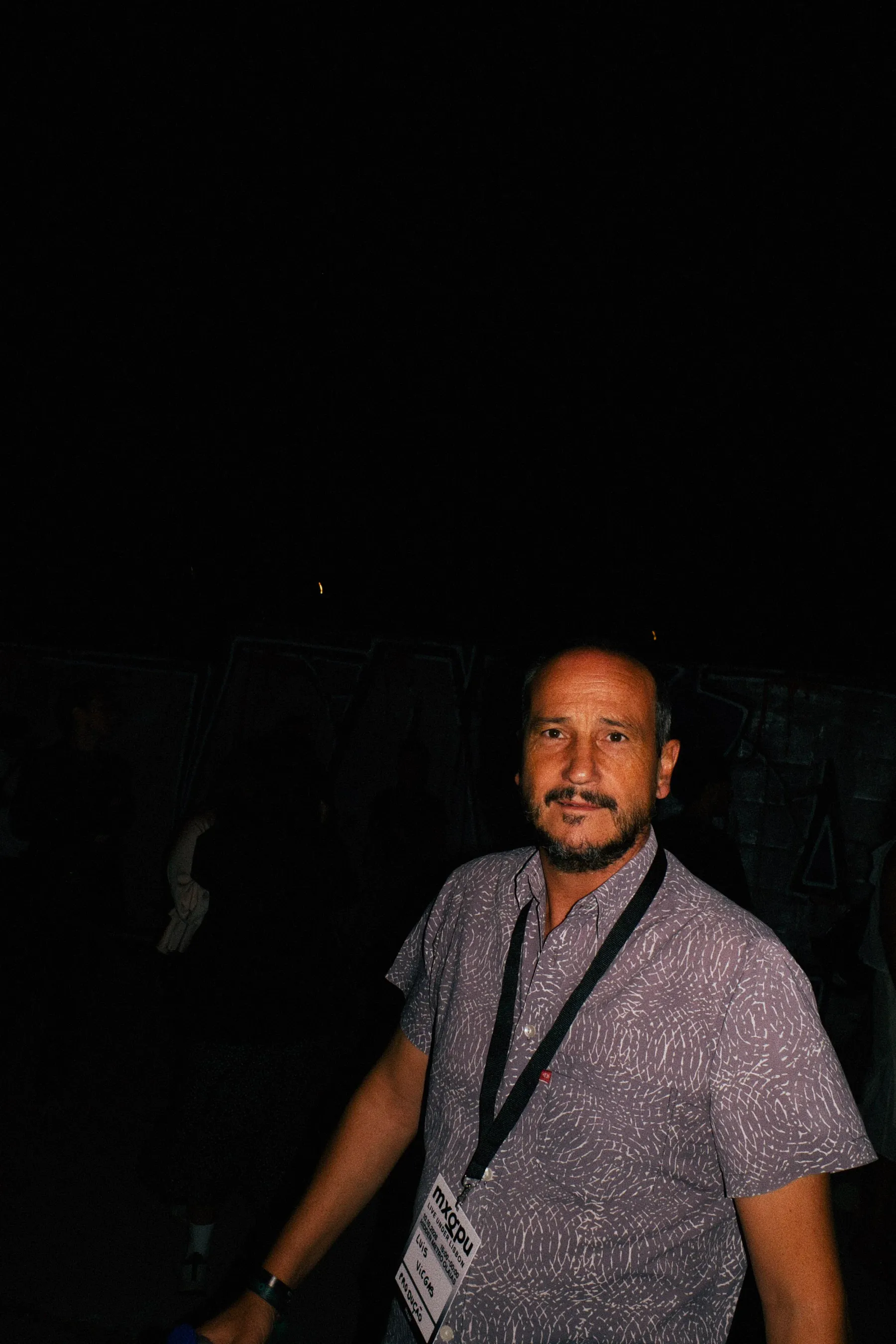
Promoter and general coordination: Luís Viegas
Production director: Nadine Saize
Project manager: João Cardielos
Production: Liobhan Lignel, Miguel Ferreira
Technical director: Pedro Cluny
Set design and visual direction: Pavel Zmunchila
Lighting design: João Quintela, Isaac Veloso
VJ and pixel mapping: Eugene Ryazantsev
Immersive sound design and FOH: Rafael Pereira (L-Acoustics)
Light installation: Bordalo II
Olfactory installation: Joana Nobre, with diffusers by i-sensis
Sound, lighting and structures: Audiomatrix. Rigging: Costel Maruneac. Sound: Gonçalo Lopes, Marco Mendez, Thiago Aragão, José Viegas. Lighting: António Barroco Topê, Gonçalo Leão, Daniel Neagu. Structures: João Gil, Bola, Paulo J. Silva, Ruben Biscaia, Edson Azzi
L-ISA controller: Midwich
Electrical project: José Dias Ferrão (J. M. Nunes Dias), with Paulo Semedo and Ana Isabel
Security plan: Claudino Semedo
Graphic design: Diana Oliveira
Content director: Ana Viotti
Film: Pew Pew. Cameras: Pedro Gomes, Gui Sousa, Gonçalo Vaz. AV and rigging: Gonçalo Reis, Rafael Cavalleri. Editing: Zé Matias, Ricardo Lourenço. Production: Diogo Miranda
Photography: Ana Viotti, Margarida Bettencourt
Drone: David Gu (Hypercine)
PR: Think Out Loud (Rita Barradas, Ricardo Reis, Maria Albuquerque)
Collection: Joana Silvano, Diana Oliveira
Legal: André Miranda
Venue assistant: Mafalda Teixeira
Production runners: Samy Zeghmati, João Pires
Door: Isa Pólvora, Kalina Nikolova
Bars, food, security and medical: Flamingo Boémio and ZPOS, Jângal, Especial 1, Cruz Vermelha
Thank you: Cristina Vaz Tomé and the Metro de Lisboa team, fritz-kola, Super Bock, Mega Hits